
If you are in distress, you can call or text 988 at any time. If it is an emergency, call 9-1-1 or go to your local emergency department.

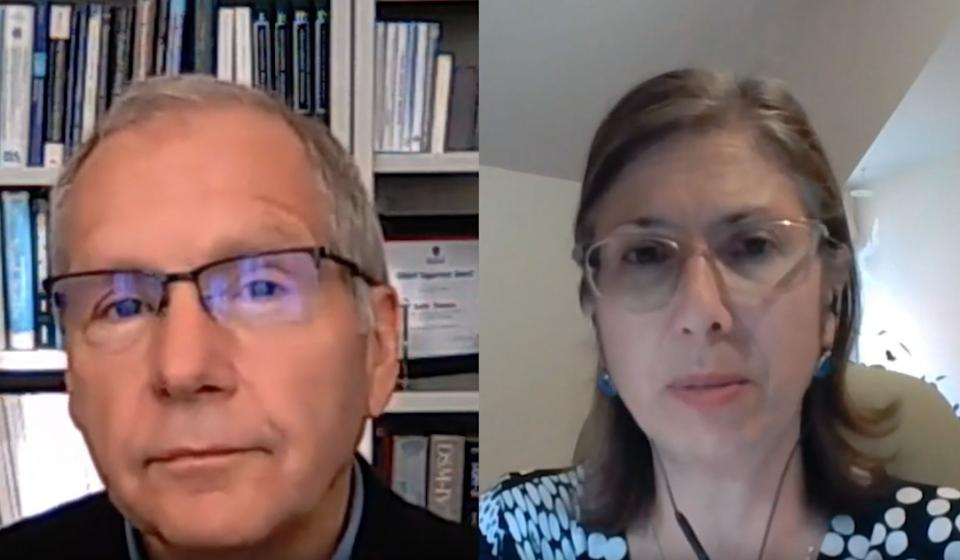
Social Stigma and COVID-19: Protecting Your Workers. Interview with Dr. Keith Dobson

Maintaining an environment of civility and respect to protect mental health and lower the risk of psychological harm that can occur.

< 1 min

Civility and respect is correlated with the workplace factor of psychological protection

Civility and respect is correlated with the workplace factor of psychological protection. They meet similar human needs. When these factors are compromised, it can result in significant stress and can have a tremendous impact on the energy level of an individual, a team and even the entire organization. It is important to maintain an environment of civility and respect and psychological protection, to protect mental health and lower the risk of psychological and physical harm that can occur.

Psychological protection can be compromised

The risk that civility and respect and psychological protection can be compromised is greater when dealing with a situation where workers feel negative psychological impacts of their work environment – which is what we are dealing with. When people don’t feel safe in their environment, it affects them psychologically. Fear, anger, and stigma can occur, and this can put people at greater risk of psychological and physical harm.

As we attempt to navigate working and living through COVID-19, we need to have a clear understanding of the social stigma and harassment that can affect people as they strive to cope with this new reality.

Video: Social Stigma and COVID-19: Protecting Your Workers Interview with Dr. Keith Dobson


Table of Contents
    Add a header to begin generating the table of contents

    More from the blogs

    Feb 26, 2026
    Stigma lives in three places, within us, between us, and in our systems. Learn to recognize each address and find practical tools for creating safer spaces.
    Feb 3, 2026
    Eating disorders are serious mental illnesses shaped by biological, psychological, and social factors, not personal choice. This piece explores how shared spaces, workplace culture, and everyday language can unintentionally reinforce
    Jan 27, 2026
    In Canadian workplaces, the duty to inquire is part of an employer’s responsibility to accommodate employees, including those experiencing mental health challenges. When an employer knows, or reasonably should know,
    Jan 21, 2026
    Reflection on the power of conversations about Mental Health. Drawing on experiences as a Mental Health First Aider, it highlights the importance of listening, using supportive language, and creating safe
    Jan 15, 2026
    Most workplaces already pay for poor mental health at work. The payment shows up in ways leaders rarely label as “mental health.” A project drifts. Quality slips. Conflict spreads. A
    Dec 23, 2025
    Discover how leaders can transform workplace stress management from a reactive task to a foundational leadership skill.
    Interested in training for yourself? Need training for your Organization?