If you are in distress, you can call or text 988 at any time. If it is an emergency, call 9-1-1 or go to your local emergency department.

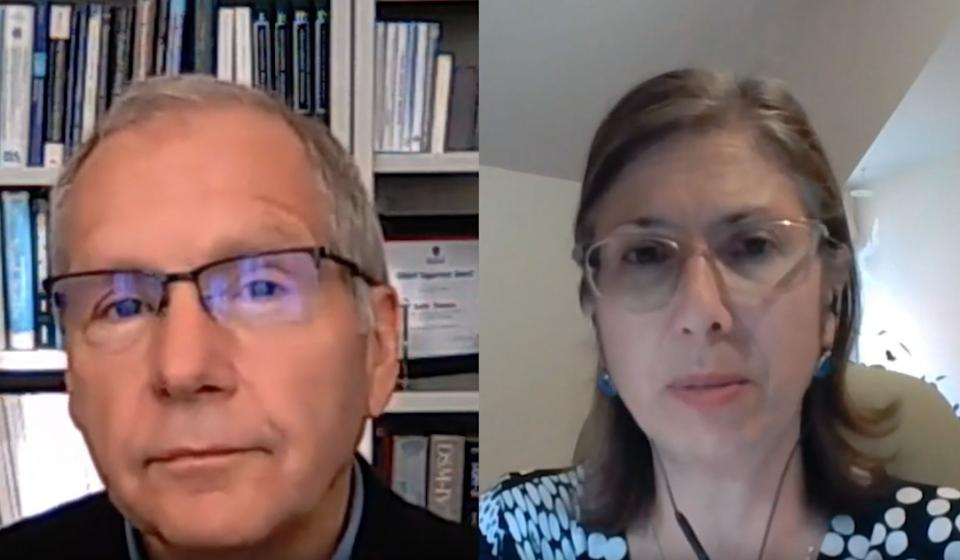
Social Stigma and COVID-19: Protecting Your Workers. Interview with Dr. Keith Dobson

Maintaining an environment of civility and respect to protect mental health and lower the risk of psychological harm that can occur.

< 1 min

Civility and respect is correlated with the workplace factor of psychological protection

Civility and respect is correlated with the workplace factor of psychological protection. They meet similar human needs. When these factors are compromised, it can result in significant stress and can have a tremendous impact on the energy level of an individual, a team and even the entire organization. It is important to maintain an environment of civility and respect and psychological protection, to protect mental health and lower the risk of psychological and physical harm that can occur.

Psychological protection can be compromised

The risk that civility and respect and psychological protection can be compromised is greater when dealing with a situation where workers feel negative psychological impacts of their work environment – which is what we are dealing with. When people don’t feel safe in their environment, it affects them psychologically. Fear, anger, and stigma can occur, and this can put people at greater risk of psychological and physical harm.

As we attempt to navigate working and living through COVID-19, we need to have a clear understanding of the social stigma and harassment that can affect people as they strive to cope with this new reality.

Video: Social Stigma and COVID-19: Protecting Your Workers Interview with Dr. Keith Dobson


Table of Contents
    Add a header to begin generating the table of contents

    More from the blogs

    Workplace bullying and harassment are major contributors to mental health breakdown in Canadian workplaces. This post explains the warning signs, the legal obligations employers face, and the concrete steps your
    Shane Silver and Donal Scanland — leaders of Mental Health First Aid in Canada and Ireland — joined The State of Mental Wellbeing podcast to discuss how MHFA grew from
    Inclusive workplace culture is a direct determinant of employee mental health — and the research makes this connection clear. This post explores what inclusion means in practice, what exclusion costs,
    Anxiety affects one in four Canadian adults. At work, it shows up as persistent worry, avoidance, and reduced performance. Here are practical tools for employees and managers to identify triggers,
    Workplace wellbeing is more than perks. Learn what it means, which metrics matter, and how Canadian employers build systems delivering measurable results.
    Most organizations have invested time and effort in communicating their Employee Assistance Program (EAP). There are emails, intranet resources, posters, onboarding materials, benefits guides, and reminders during Mental Health Week.
    Interested in training for yourself? Need training for your Organization?