
Burnout prevention is no longer optional. It is a core responsibility of leadership. Stress will always exist in the workplace, but when it crosses into burnout, the damage is long-term. Burnout drains energy, erodes motivation, and leads to disengagement. If you lead a team, your ability to recognize the difference between ordinary stress and burnout can protect both your people and your organization.
Stress vs. Burnout
Stress is often temporary. It comes with deadlines, heavy workloads, or sudden changes. Most employees bounce back once the pressure passes. Burnout is different. It is a state of persistent exhaustion tied to work. Recovery takes much longer, and performance continues to decline if nothing changes.
Key differences:
- Stress usually improves with rest. Burnout lingers even after time off.
- Stress can motivate short-term productivity. Burnout causes detachment.
- Stress is situational. Burnout is systemic and requires intervention.
Warning Signs Leaders Often Miss
Employees rarely say, “I’m burned out.” Leaders must watch for the subtle signs:
- Withdrawal: A once-engaged team member starts skipping optional meetings, reducing participation, or staying silent in discussions.
- Cynicism: Employees begin voicing frustration, distrust, or sarcasm about leadership or company goals.
- Declining quality of work: Errors increase and attention to detail drops.
- Reduced empathy: A colleague who used to help others becomes short-tempered or dismissive.
- Physical fatigue: Frequent sick days, complaints of headaches, or signs of low energy.
Research published by the World Health Organization confirms that burnout results from chronic workplace stress not successfully managed WHO, 2019. Ignoring these early signals risks turnover, absenteeism, and long-term disability claims.
Steps to Intervene Early
As a leader, you have tools to prevent burnout from worsening. Small, proactive steps make the difference.
- Re-allocate tasks: Shift priorities or temporarily reduce workload to relieve pressure.
- Schedule regular mental health check-ins: Ask open-ended questions about capacity and well-being. Listen more than you speak.
- Encourage employee mental health support: Share resources like Mental Health First Aid training to build awareness and skills within your team.
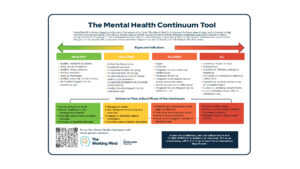
- Promote resilience: Offer training such as The Working Mind that helps staff learn coping strategies, recognize stress on the mental health continuum, and support one another.
- Lead by example: Model healthy boundaries. Take breaks. Avoid sending late-night emails.
Why Early Action Matters
The earlier you act, the better the outcome. A small shift in workload, a supportive conversation, or connecting an employee to mental health resources can prevent full burnout. The American Psychological Association highlights that resilient workplaces, where leaders address stress openly, report higher retention and stronger performance APA, 2023.
Burnout prevention protects both productivity and people. Leaders who take employee mental health support seriously create workplaces where resilience thrives.
Ask yourself: Are you noticing the subtle signs on your team? If you step in early, you set the stage for long-term success—for your employees and your organization.